We are pleased to announce the following speakers for our conference in 2026.
Elizabeth Sieverts, Fire Compliance Design Manager
Sydney Airport
Fire Risk Management During Construction in Occupied Public Buildings
When construction and refurbishment works are undertaken within buildings occupied by large numbers of the public, a wide range of fire safety considerations must be carefully managed. These environments present unique challenges, as temporary construction conditions can overtly or inadvertently alter fire safety performance if risks are not properly identified and controlled.
Drawing on practical experience, this session shares lessons learnt from managing fire risk during construction in occupied public buildings. It examines procedures and good practice, while also highlighting where these do not translate neatly to live environments, and the importance of clear roles, responsibilities and ongoing monitoring.
Key considerations that may trigger interim fire safety strategies include hoarding design and placement, material selection, impacts on egress routes, smoke management systems and access to fire‑fighting equipment. Consideration is also given to the isolation and reinstatement of fire safety systems such as detection, sprinklers and smoke exhaust systems, and construction zone management. There are also added complexities due to performance‑based design.
Equally important are robust reinstatement, recommissioning, verification and client sign‑off processes at project completion. These activities are critical to ensure existing fire safety requirements are correctly made good and that fire safety documentation is updated and not overlooked.
Elizabeth is a Chartered Fire Safety Engineer and holds a Master’s in Fire Engineering from the University of Canterbury. She is Fire Compliance Design Manager at Sydney Airport and a member of the Building Appeals Board in Victoria, Australia. Before moving client-side, Elizabeth gained over 18 years’ consulting experience across Australia, New Zealand, and Singapore, delivering fire safety engineering for transport infrastructure, industrial and dangerous goods facilities, assembly buildings, healthcare, and commercial and residential developments. She has also acted as a technical advisor and subject matter expert on Australian road and rail infrastructure projects. Her experience includes code compliance, fire protection design, risk assessment, and process safety. Her research interests include fire safety equity and the fire safety implications of emerging technologies. She brings a practical, systems-focused perspective to improving safety outcomes in complex built environments.

Stuart Bryant, CEO
Stellar Property Group Limited
Managing Compliance While Maintaining Live Built Environments
Stuart will talk to real life examples of what happens when tenants or building owners undertake works in properties where fitouts, alterations or upgrade works happen while the building is occupied.
- How do the works affect tenants and what can conflict with their lease terms.
- How insurance recommendations are requested and why they are not always actioned.
- Risks to the landlord and how can we collectively improve the experience and outcomes for all stakeholders.
Stuart Bryant owns and operates a project management and facilities consulting company Stellar Property.
His background and experiences range around managing a variety of large scale sites such as Britomart Precinct, SkyCity properties, Sylvia Park as well as other smaller retail, commercial and industrial property across New Zealand.
Stuart is a FMANZ Board member and has presented at conferences in New Zealand and Australia for various Associations and Companies.

Mathew Crow, Senior Regulatory Specialist, MBIE
Compliance Schedules: Consistent Decisions in Practice
Many of the day-to-day challenges in managing compliance schedules come back to a handful of persistent misunderstandings about how the regime is intended to operate. This session takes a practical look at those misconceptions and what they mean in real-world decision making for territorial authorities, building owners, and IQPs.
Working through a series of common scenarios drawn from enquiries, complaints, and regulatory assessments, Mathew will step through typical problem areas such as defining specified systems, understanding the purpose and scope of compliance schedules, and aligning practice with legislative intent. Each example will focus on how these issues present in practice, why they can lead to inconsistency, and what a robust and defensible approach looks like.
The session will also highlight key areas of clarification emerging from the updated Compliance Schedule Handbook, with a focus on where guidance is expected to help drive more consistent and workable outcomes across the sector.
Mathew Crow is a Senior Regulatory Specialist – Compliance & Assurance at MBIE, where he works across Building Consent Authority and Territorial Authority functions. His work focuses on system performance, complaints under the Building Act, and improving sector guidance and practice.
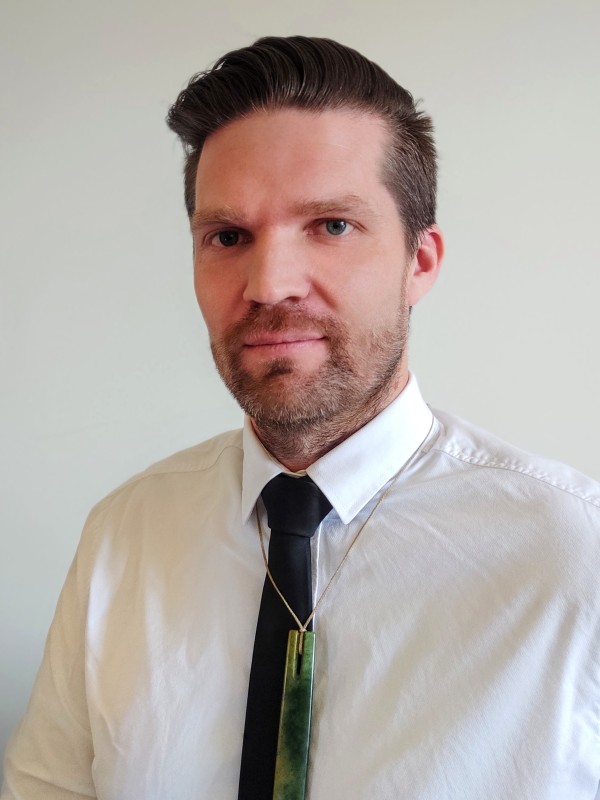
Shane Grant, Manager, Argest Fire
Common faults and issues as seen through the lens of Sprinkler Biannual Inspections
Identifying common faults and other challenges as part of Sprinkler biannual inspections and how additional training for staff and customers can reduce potential issues and increase public safety.
I have been in the Fire Industry for 23 years with over 12 of those as a IANZ accredited inspector for Sprinklers and Fire Alarms.
I have a passion for helping customers find the best solution and helping them understand their fire systems.
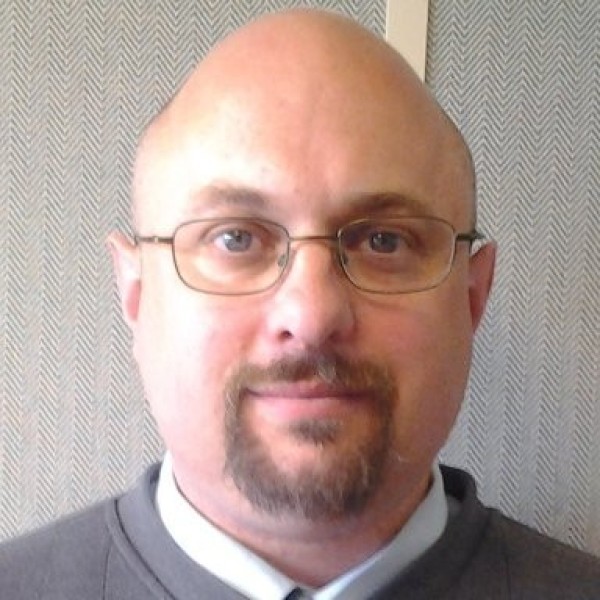
Louis Deverell, Lift Specialist
LDEV Connect
Lift Accessibility and Trapped Passengers
Lifts form an important part of buildings and are often necessary for providing equitable access paths to people of all abilities.
NZS4121 requires dimensional space for wheelchairs, and support for visual impairments such as braille, tactile elements, and voice. However new technologies with touch-screens have provided solutions are not always equitable, and seeking help in an emergency has critical risks if you can’t hear, speak, or operate the alarm.
This presentation will first give an overview of the code to accomodate mobility and visual impairment, before exploring how we can look to overseas code examples with strong improvements.
Becoming trapped in a lift can be a terrifying ordeal, or at the least a frustrating inconvience. All passengers need to be able to call for and receive help.
The focus topic is on how visual 2-way systems incorporating text displays and safety cameras in North America, and visual indications of call status required by Europe and Australia address accessibility for Deaf and hard of hearing passengers. Lifts in New Zealand are compliant with only a loudspeaker emergency phone with no visual features to aid and reassure the passengers.
Louis is a specialist in the lift industry with a strong background of senior technical expertise, training and consultancy work over 22 years for major companies.
In a moment early in his career while rescuing passengers from a stalled lift, he realised they could have been deaf or not understand his verbal guidance. Exploring further, the need for more advocacy to the industry for the lack of provisions was quite apparent, especially with emergency phones.
As an independent specialist Louis continues to advocate for all accessibility, and can now provide the industry with new technical solutions and products to achieve improvements.

Michael Belsham, Chartered Professional Fire Engineer & Director
BelshamFire Ltd
Fire Engineering And Fire Protection - What's The Difference?
The term Fire Engineer remain largely misunderstood in the building industry despite being a formal discipline for over 30 years. The terms Fire Safety Engineering (FSE) and Fire Protection Engineering (FPE) are often used interchangeably within the building and construction industry, creating uncertainty for clients, regulators, and project teams. This presentation aims to clarify the distinction between the two disciplines, demonstrating how clearly defined roles and competencies build confidence in fire safety industry. Fire engineers are often asked for services outside their scope of expertise. Gaining an understanding of each role in the project will help in creating a smooth process of design and regulation compliance. This is important for Architects, Building Control, Engineers and IQP. When there is a fire safety problem – knowing who to call will save time and money and remove general frustrations. Which type of engineer is involved in each phase of the project? Is there a difference between fire safety and fire protection? By clearly defining responsibilities of the Fire Engineer and Fire Protection Engineer and establishing effective collaboration between them, builds confidence in regulatory processes, design outcomes, and fire safety performance.
Michael is an experienced Chartered Professional Fire Engineer with more than 25 years of expertise in Fire Safety Engineering. Michael has worked extensively throughout New Zealand, Australia and UK. In 2020, Michael founded BelshamFire Ltd, his own consultancy firm, providing specialised fire engineering design, peer review, and training services across the country. In addition to his consultancy work, Michael teaches fire safety block courses for the Diploma of Building Survey (Level 6) and is the lead lecturer for the New Zealand Diploma of Engineering (Fire Engineering).
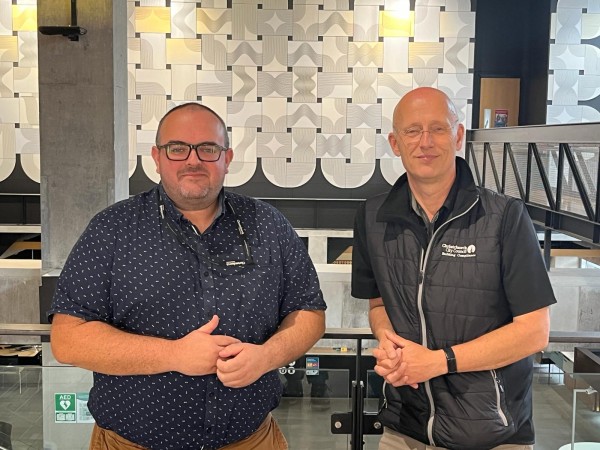
Ryan Cooper and Brian Wilson
Christchurch City Council
It's Not Dangerous... What Now?
This presentation explores a critical gap in the building regulatory framework: situations where buildings meet compliance requirements but present real and unaddressed risks due to non-performing specified systems. Using an anonymised case study of a multi-occupancy building, the session examines how a building can fall below the legal threshold of a dangerous building while still exposing occupants to heightened risk. The case highlights failures in system performance, reliance on documentation over verification, and the limitations of current regulatory triggers. The presentation will challenge the assumption that compliance equates to safety and the increasing complexity of making the right decision with the ongoing safety of a vulnerable occupancy. It will also consider how specified system performance impacts life safety outcomes. Attendees will gain insights into compliance-based assessments to performance assurance, recognising dynamic risk, and strengthening TA BWoF auditing. The session aims to provoke thought, encourage discussion, and support the industry in building greater confidence through true competency.
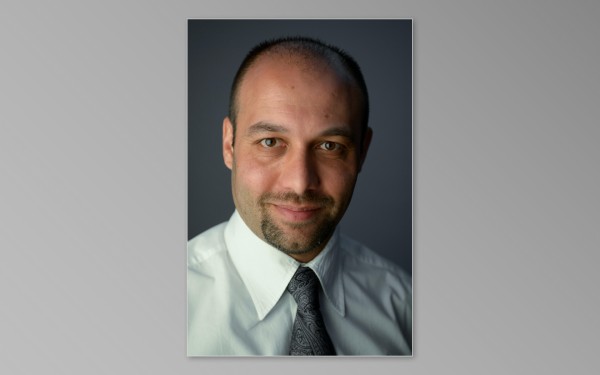
Neil Farnworth, Owner & IQP Officer
National Hood and Duct Cleaning
Kitchen Extract System Compliance
Neil will explore where real risk sits within building compliance, why expert advice is critical, and what can happen when systems are neglected. His session will focus on how to reduce risk, strengthen compliance practices, and better protect both buildings and the professionals responsible for them.
With growing reliance on industry expertise, the responsibility increasingly falls on those signing off systems. When systems are not properly identified, maintained, and reported on, the risk sits squarely with those professionals.
This presentation will unpack key risk areas, examine the underlying causes, and provide practical solutions to help you mitigate risk and improve compliance outcomes.
National Hood & Duct Cleaning are New Zealand’s specialists in kitchen extract compliance, working alongside facilities managers, large food chains, compliance teams, and commercial kitchens. Their focus is on reducing fire risk, improving compliance outcomes, and simplifying the management of extraction system maintenance - addressing one of the most commonly overlooked fire hazards in commercial buildings.
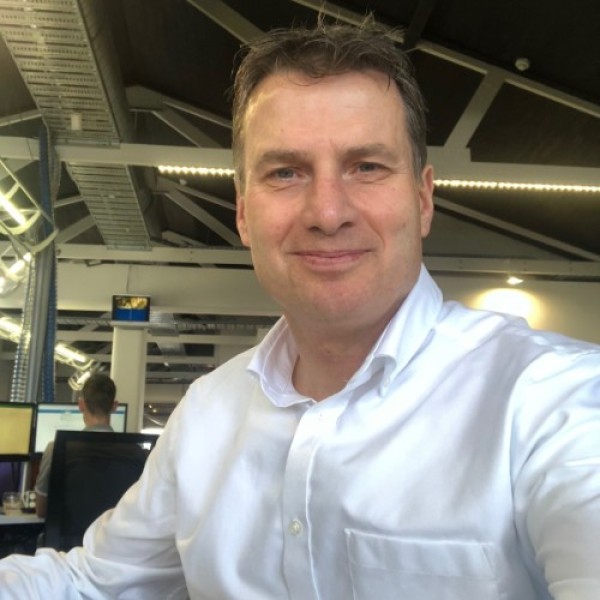
James Larkins
Christchurch City Council
You Can’t Fix At The End What Wasn’t Understood At The Beginning
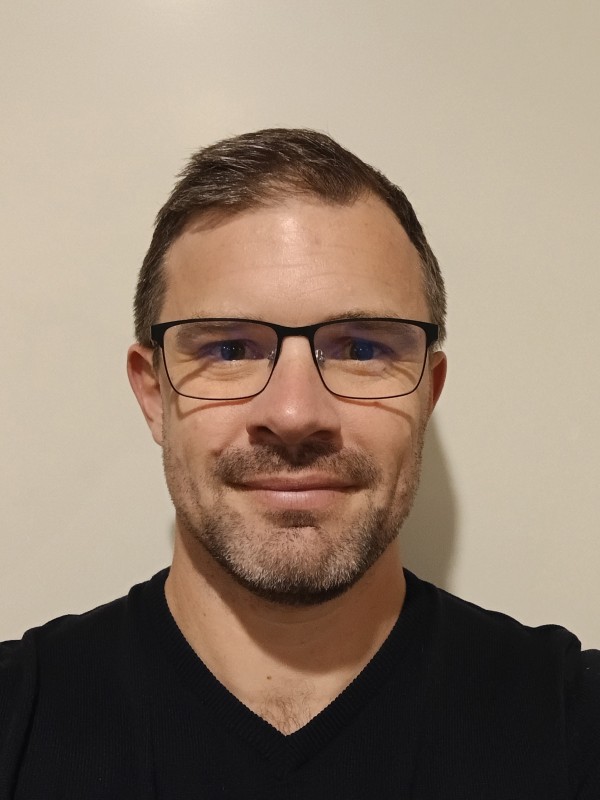
Andrew Eames, Principal Advisor Determinations
MBIE
Demystifying Determinations
An overview of the determination function at MBIE.
Who: What persons can be involved and why.
What: How we turn disputes/doubt into matters to be determined.
How: Insight into the ways we consider applications and present our analysis.
Andrew is a Principal Advisor in the Ministry of Business Innovation and Employment (MBIE) Determinations team and is one of the decision-makers delegated to make building determinations on behalf of the Chief Executive. Andrew has been with MBIE for over 5 years. Immediately prior to that he was in various building regulatory roles with Christchurch City Council. With nearly 20 years’ experience in project management, construction and building control, Andrew has extensive experience in construction dispute resolution processes.

Adam Grice, Building Compliance Officer
Southland District Council
Alternate Path To Become An IQP
Looking at if the current process of becoming an IQP is still fit for purpose and if we need to have other paths available to progress to become an IQP, and change people thinking to think of being IQP as a career goal and not just an addition to a current skill set.
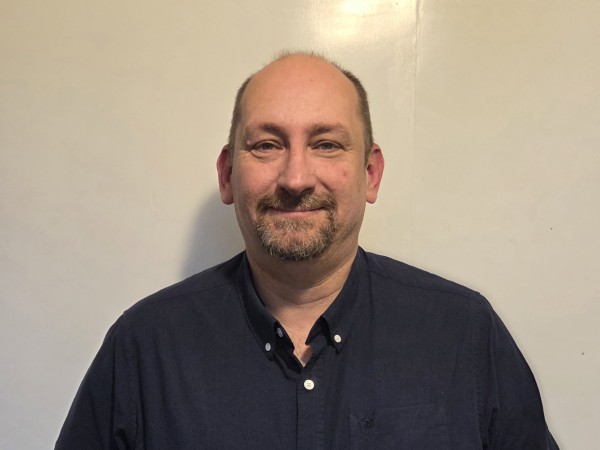
Matt Ireland, Operations Manager
Ampco Lift & Electrical Services Ltd
Elevators - Retained And Current Compliance
New Zealand’s lift portfolio spans a wide range of ages, technologies, and installation standards, creating a layered compliance environment where legacy (“retained”) systems must coexist with current regulatory expectations. From older equipment installed under now-superseded standards to modern upgrades requiring full integration with specified systems, navigating compliance is rarely straight forward.
This presentation examines how retained elements influence current compliance obligations, particularly in existing buildings where documentation is limited and system interfaces—such as fire, access control, and emergency power—are not always clearly defined. It will explore the distinction between maintenance and alteration, and how this impacts requirements under the Building Code, SS8, and building consent processes.
A practical, site-driven approach is essential. Each lift must be assessed within the context of its building, its history, and its interaction with other systems. Clear communication between contractors, consultants, and building owners is critical to identifying risks early and ensuring appropriate outcomes.
Drawing on real project experience, this session focuses on improving understanding of compliance pathways and reducing uncertainty in decision-making. The goal is to support more consistent, transparent approaches across the industry and contribute to raising the overall standard of lift compliance in New Zealand.
Matt Ireland is an experienced lift industry professional with over 10 years in the field, specialising in lift modernisation, servicing, and repairs. He began his career in Australia, where he completed his electrical apprenticeship while working on a wide range of lift systems, developing a strong technical foundation across both mechanical and electrical disciplines.
Since relocating to New Zealand in 2019, Matt has continued to build on this experience, working across a diverse portfolio of projects including complex modernisations and ongoing service delivery within existing buildings. His practical, solutions-focused approach is grounded in real-world site experience and a clear understanding of the challenges involved in maintaining and upgrading vertical transport systems.
Based in Wellington, Matt balances his professional commitments with family life as a father of three. Outside of work, he enjoys spending time on the golf course, making the most of any opportunity to get out and play.
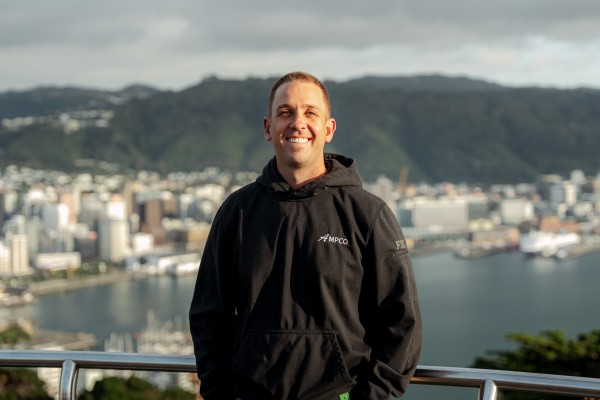
Darrell Nichol, Statutory Compliance Manager
Department of Corrections
Fire Safety… But Make It Complicated
In an environment of increasing scrutiny around public safety, liability, and trust, compliance alone does not guarantee confidence, particularly in complex custodial settings. Prisons present a unique challenge to traditional building and fire safety frameworks, where assumptions around occupant behaviour, free egress, and system use do not align with operational reality. This presentation draws on practical experience managing statutory compliance across 17 prison facilities in New Zealand. It explores how fire protection systems, designed to protect occupants, are frequently and deliberately misused, creating risks not fully anticipated by prescriptive compliance models. The presentation examines the tension between the intent of the Building Act and Building Code and the realities of operating locked environments, including the challenges created by inconsistent regulatory interpretation across councils. Through real-world examples and lessons learned, the presentation highlights the importance of genuine competency, contextual understanding, and performance-based approaches in achieving safe outcomes. Attendees will gain insight into how compliance, when grounded in expertise and collaboration, can build confidence and trust, even in environments the Code is no longer written for.

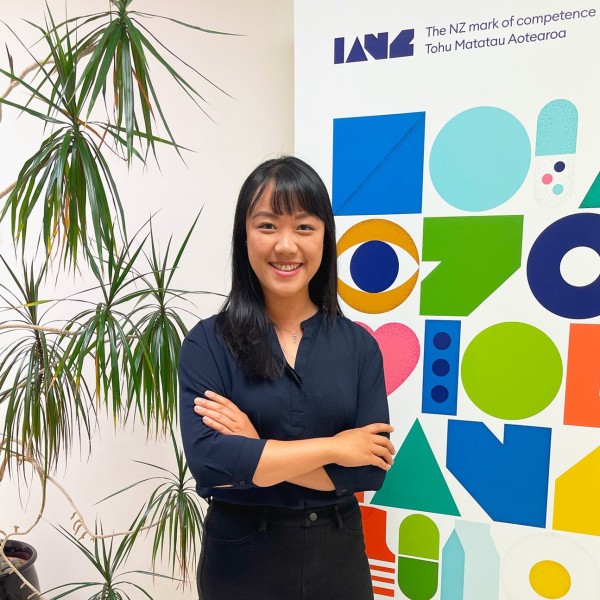
Lesley Chen, Accreditation Assessor
IANZ
Competence = Confidence = Consistent
I am an Accreditation Assessor at IANZ for the Building Consent Authorities and Inspection Bodies Programme. Before joining IANZ 4 years ago, I worked at Auckland Council for 6 years across a range of roles in the Building Consents Department, started up from a Lodgement Officer, and was one of the Technical Assessors in the Capability Team .
While I am trained in architecture, I do not consider myself primarily a creative individual. Instead, I tend to identify more with the role of an enforcer, ensuring that processes and standards are upheld. Those who know me well would likely concur with this assessment.
My role is to ensure that the organisation assessed complies with the relevant Standards, Regulations and or other additional requirements. IANZ is appointed by MBIE as the accreditation body which undertakes accreditation assessments as per the Act. We take pride in our work to ensure that consistency is delivered, and this is evidenced by the improved quality of the Compliance Schedules across the board.
Prashant Patel
Building and Engineering Services Ltd
A Rundown of Mechanical, Seismic and Fire Aspects of a Kitchen Hood
A Kitchen Hood, particularly in commercial setup, is essential for maintaining healthy and safe cooking environment. They are specifically designed to extract harmful smoke, steam, grease and gases. In this presentation, Prashant will discuss the key mechanical design considerations and ongoing maintenance requirements for commercial kitchen hood systems.
He will also cover seismic compliance requirements, fire and smoke separation considerations, and industry good practices to support safer and more compliant building operations.
Prashant has been serving New Zealand for more than 23 years, bringing extensive expertise and qualifications in mechanical, seismic, and fire engineering. Based in Auckland, he has worked with some of New Zealand’s largest councils and DHBs in building control and compliance roles. His experience also includes positions with engineering consultancies, accredited certification bodies, and facilities management companies, where he has held technical and compliance leadership roles.
Prashant is a member of several professional organisations, including Engineering New Zealand, ASHRAE, Institution of Structural Engineers, New Zealand Institute of Architects, Society of Fire Protection Engineers, IRHACE, and FMANZ.
He is currently the owner and director of several companies, including Building & Engineering Services, E=MC2 Consulting Engineers, BuildWise Compliance, and Chilltech Air Solutions, providing services across the Oceania region.

Hana Jones, Solution Consultant, Clarinspect
From Invisible to Accountable: How Traceable Documentation is becoming the New Competency
Competency without evidence is invisible. And invisible competency can't be trusted, regulated, or built upon. This session makes the case that in modern fire safety, documentation is the competency - and that the industry is at a turning point.
Drawing on real-world case studies across passive fire, intumescent coatings, and Building Warrant of Fitness inspections, Hana will show what best practice looks like when technology and expertise work together. From Christchurch Hospital - where over 18,000 fire penetrations are now fully documented and installer work is monitored by fire engineers in real time - to large IQP teams automating year-on-year reporting and building rich defect records, the examples are practical and proven.
The session will also explore the FireQA register and why requesting and contributing to verified data is becoming an essential professional responsibility - not just a nice to have. As a senior Consultant for a software provider working across multiple disciplines, Hana brings a cross-industry perspective on where the gaps are, where the quick wins are, and what the best operators are doing differently. She'll close with practical tool and software tips any IQP can use tomorrow.
Competency builds confidence. Documentation builds trust - This session covers both.

Call for Papers
We are pleased to announce that we are looking for speakers for our conference in 2026.
In a time when public safety, liability, and trust are under greater scrutiny than ever, genuine competency has become essential. This conference unites industry leaders, regulators, educators, and practitioners to explore how technical excellence, regulatory compliance, and professional accountability come together to strengthen confidence — in our systems, our buildings, and the people who support them.
We invite industry professionals to share their expertise with our conference delegates by presenting at the event. We are seeking topics that align with the conference theme, as well as subjects that benefit the industry, such as new technologies. We encourage you to submit an application with an abstract so we can ensure your topic fits seamlessly with our conference program.
If you would like to enter a submission, please download our form here.